
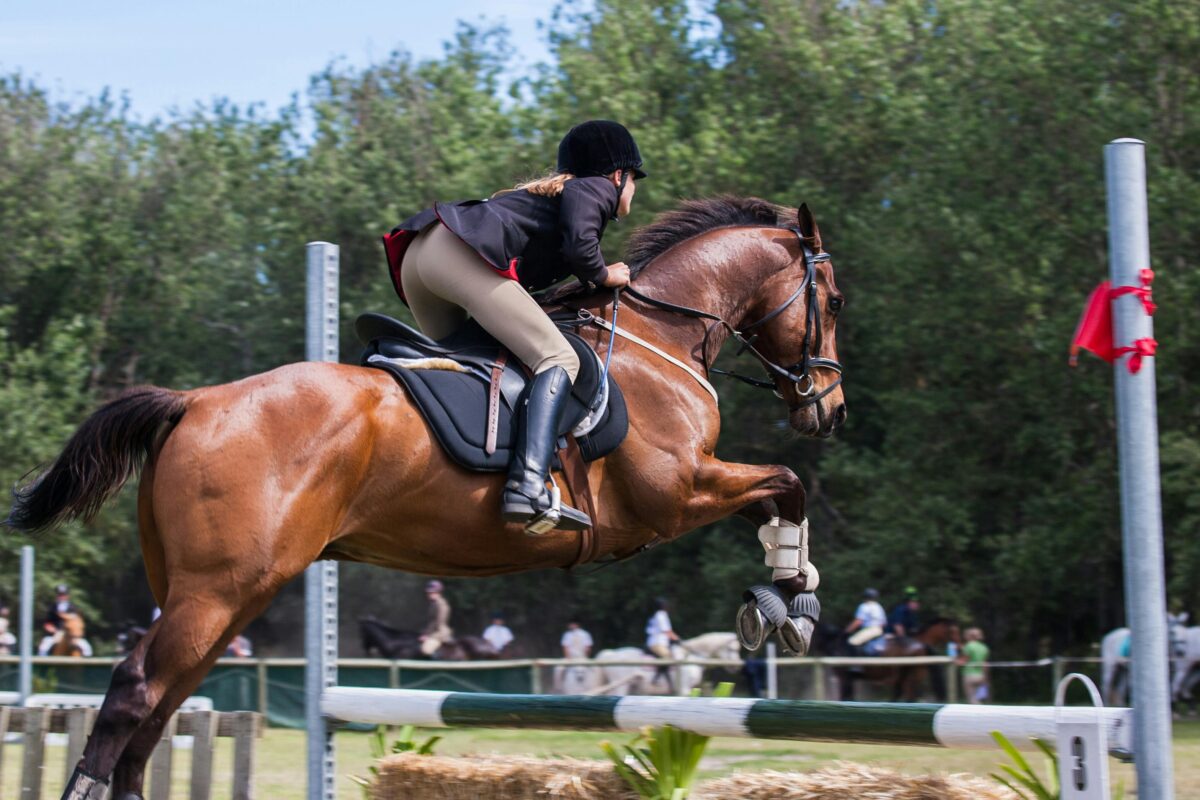
Maintaining energy during show season according to the discipline
The competition season is in full swing and all you wish for is to have a healthy horse and make it to the championships! The following tips could be useful to prevent your horse from losing its momentum. As an athlete, its nutritional needs are higher than other horses and it’s important to make sure they are fulfilled; if not, it could lead to weight loss and other health problems.
Energy Sources
The useful sources of energy (calories) for the horse are fibre (hay, pasture, beet pulp, etc.), fat (soybean oil, flaxseed oil, rice bran, etc.) and non-structural carbohydrates (NSC), namely sugars and starch (grains, textured feeds, etc.).
Protein, on the other hand, even if it must be supplied in sufficient amount to play its numerous roles, is not a good source of energy for the horse.
Intense and short-Term Effort
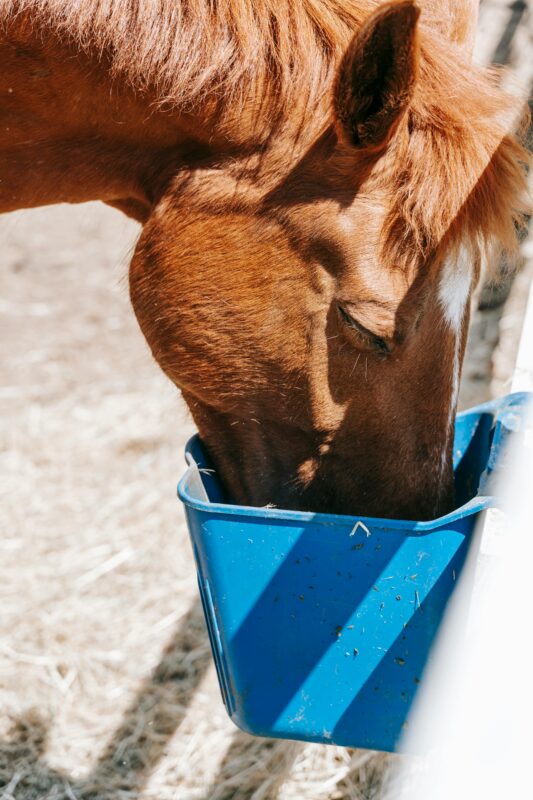
If the horse has a good body score, but lacks energy at work, reviewing the sources of calories offered in the diet is necessary. Horses practicing a discipline where the effort is intense and of short duration, also known as anaerobic exercise, need a higher amount of NSC in their diet to perform and maintain the energy levels.
Offering a complete nutritional diet with highly digestible NSC sources (extruded, multi-particle or flaked grains) is often the solution.
However, if your horse is excitable or has insulin resistance problems, the amount of NSC in the ration must be limited. Your veterinarian and your equine agronomist can help you.

Constant and Long-lasting Effort
Horses that are trained in aerobic condition, which refers to a long-term activity with less intensity, and are lacking energy, could be needing added fat. Adding vegetable oil to its daily ration or even replacing its current feed with another containing a higher percentage of fat (8% to 12%) could be the solution. Before making significant changes to a horse’s diet, it’s essential to consider the body score and, if needed, refer to an agronomist or veterinarian.
In general, all equestrian disciplines involve aerobic and anaerobic work, in different proportions. This is why, if your horse’s discipline is mainly anaerobic and their performance is decreasing, replacing the current diet with a feed containing enough vegetable fat (10 to 12%), and NSC (between 15 and 25%, or even more depending on the individual) can be beneficial.
On the other hand, if your horse’s discipline involves mostly aerobic work and it has shown lower levels of energy, be sure to choose a feed that not only has a high percentage of digestible fibre (at least 15%), but also offers a fat level of at least 8%, ideally 10–12%.
Of course, the daily intake of vitamins and minerals of every horse must meet its optimal needs as this will optimize the use of the energy provided in the diet.
COMPLETE FEEDS AND SUPPLEMENTS FOR PERFORMANCE HORSES


